
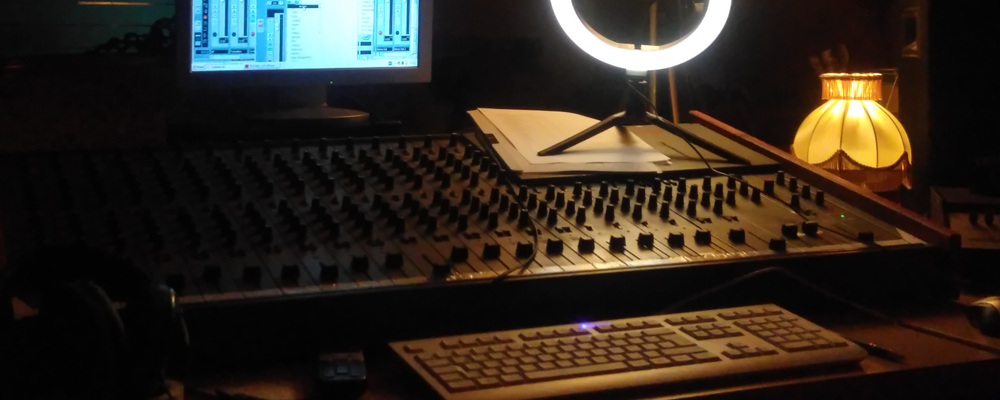
Over the past 30 years, we have collaborated extensively with various partners and colleagues in the field of sound design. This ranges from simple sound effects to sound reproduction and soundscapes for a wide variety of projects. As a result, we possess diverse experience and a broad sound library. We have already given several interviews and demonstrated various techniques related to sound design for crime and horror films.
In the mid-1990s, a trend emerged for DJs to release their own songs, specifically songs bearing their own names. In most cases, these DJ tracks were produced by studio professionals. The DJs typically came to the studio with just an “idea.” We also took on such “commissioned productions” during this period. These were truly valuable experiences, even if the DJs ultimately didn’t pursue the tracks. For the person working in the studio, it was excellent training in handling technology and implementing someone else’s ideas within a given timeframe. Of course, it’s also clear on an interpersonal level that such arrangements are usually challenging. This stems from a lack of expertise in terms of musical and technical knowledge. If one can’t express oneself clearly and professionally, it becomes difficult for the person performing the project. Added to this is a reluctance to acquire new knowledge. There’s a general perception that modern technology delivers the desired result with just a few clicks. If it were that easy, everyone would be doing it.
What exactly is sound design?
Sound design is the art and practice of creating soundtracks for a variety of needs. It encompasses the specification, procurement, or creation of auditory elements using audio production techniques and tools.
Sound design often involves the performance (see, for example, Foley) and manipulation of previously composed or recorded audio, such as sound effects and dialogue, for the purpose of the medium, but can also include creating sounds from scratch using synthesizers . A sound designer is someone who practices sound design.
Sound designers work in a variety of fields, including film, television, advertising, video games, and live performances such as theatre. They play a vital role in creating the atmosphere and tone of a work by combining sound effects and music that convey the story, mood, and emotions the director or producer wishes to achieve.
Here are some of the tasks a sound designer can perform:
- Creating sound effects
- Composing music
- Audio Editing
- Mixing audio
- Creating soundscapes
- Developing sound concepts
Sound design is a creative and demanding profession that requires a range of skills, including audio production, music theory, sound engineering, and creative thinking. Sound designers must also be able to collaborate with other team members to realize the director’s or producer’s vision.
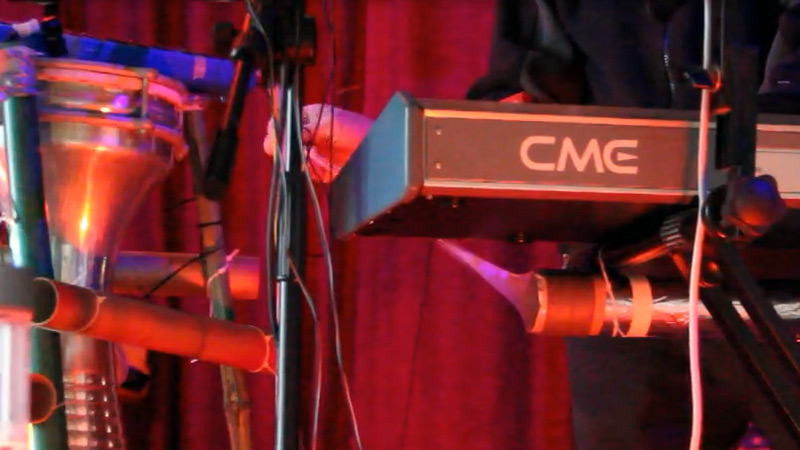
Ein altes Piano als Klangraum
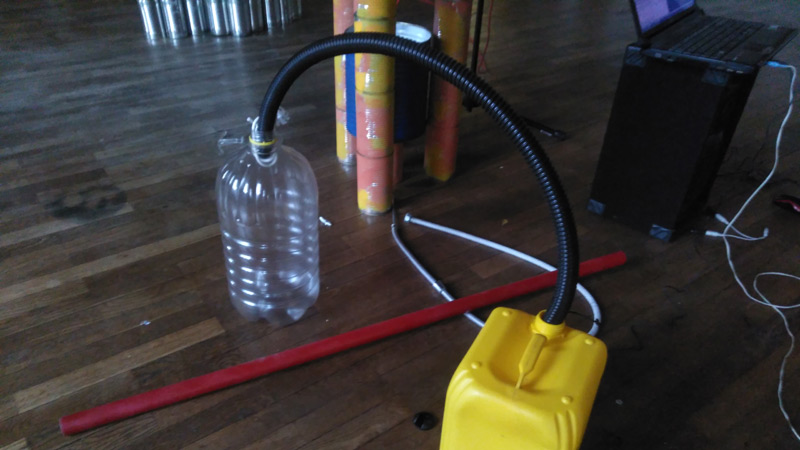
Ein Plattenhall für 50 EUR