

With over 30 years of experience in music production, sound design, composition, and working with artists and bands, we can draw on extensive knowledge and technical equipment. The last few decades have changed many things in the music industry, but some things have also remained the same. Anyone actively working in this field must adapt to change.
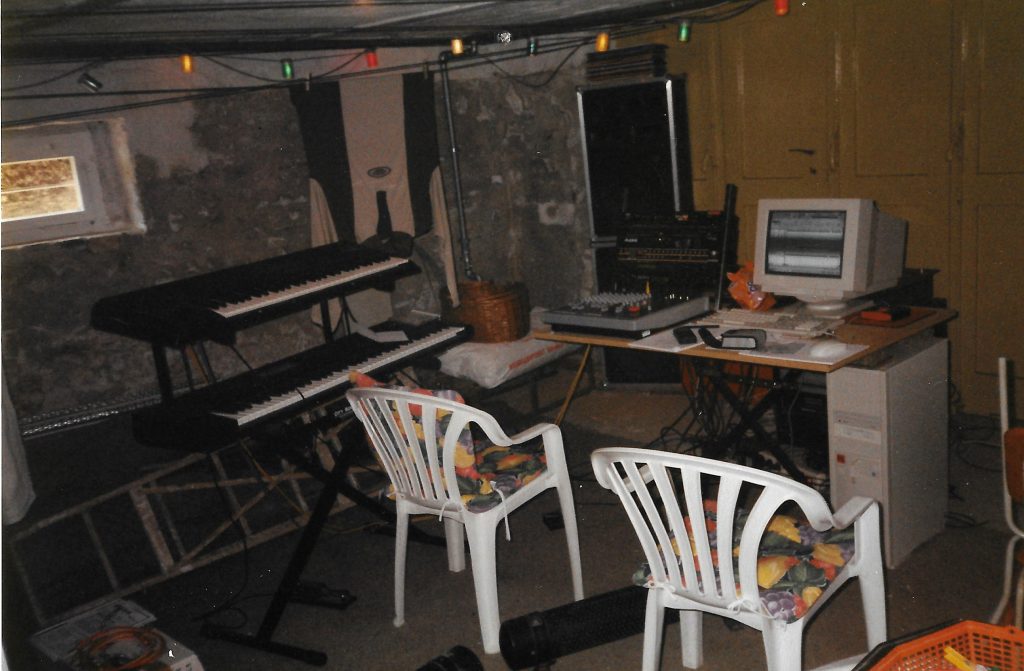
In 1992, the first steps in higher level music production, the way it’s commonplace today. A synthesizer, a PC, and a sound card with a MIDI cable. I also got a software bundle from M3C with a simple MIDI sequencer. Incidentally, this software bundle included some crazy graphics software. It was that morphing effect that everyone knew from Michael Jackson’s “Black and White” video. Back then, though, you were a bit of an oddity with that kind of equipment. Nobody could help you; you were somehow ahead of your time.
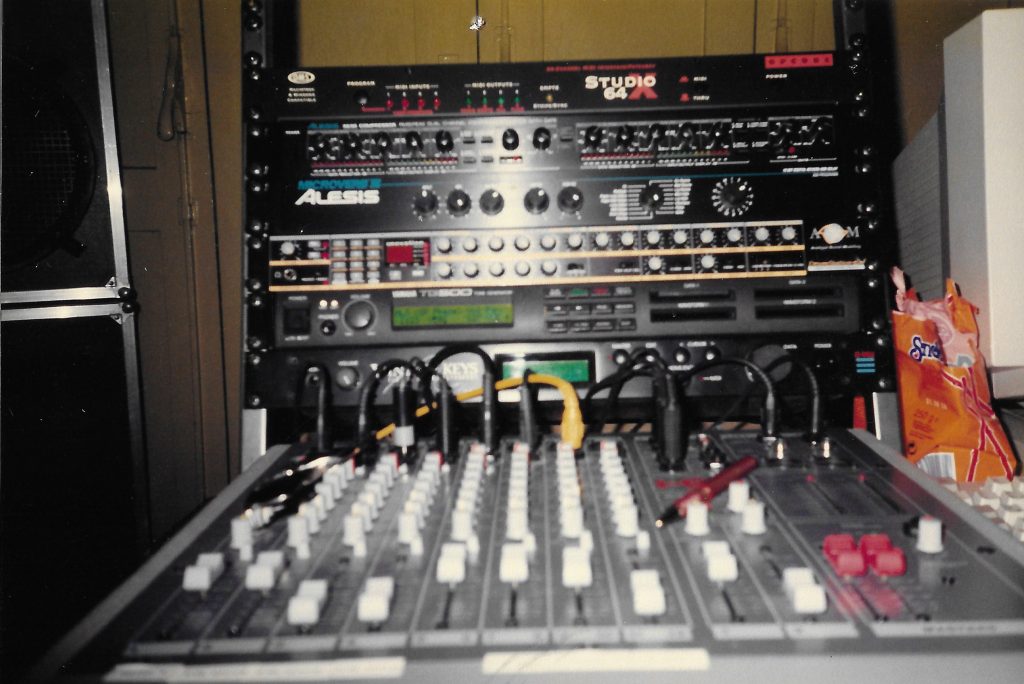
In 1997, something called the internet emerged. If you’re tech-savvy, you keep an eye on things like that. Since the internet was also a topic of conversation in family businesses, domains were registered and websites built in mid-1997. True to the spirit of the times, a Nokia 9110 Communicator was a must-have at that time.
This led to a result that sounds almost unbelievable to many people. In the autumn of 1997, it was possible to sit by a lake, surf the internet on a mobile phone (9110), and view your own websites.
Creativity is the basis
We take a realistic and professional approach. This means we focus on specific things we want to offer and prioritize. Musically, we can handle almost any style. The same applies to the technical aspect. We have hardware and software with an inexhaustible supply of sounds from all genres of music.
As the digital world becomes increasingly generic, with every hobbyist now offering “music production” and “tutorials,” our focus lies elsewhere. We possess a creative perspective that is open-minded and unconventional. No rigid thinking. We’ve sampled the most unusual things and created music with them. We can produce a powerful sound even with “low-quality” equipment. In addition, we have numerous vintage devices that we’ve accumulated over the years.
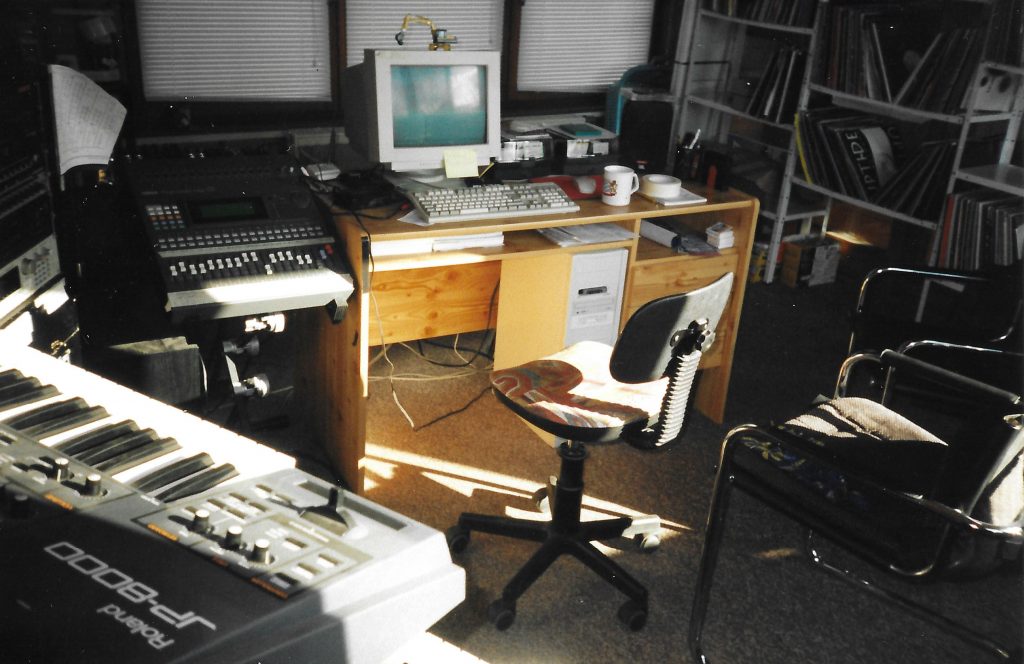
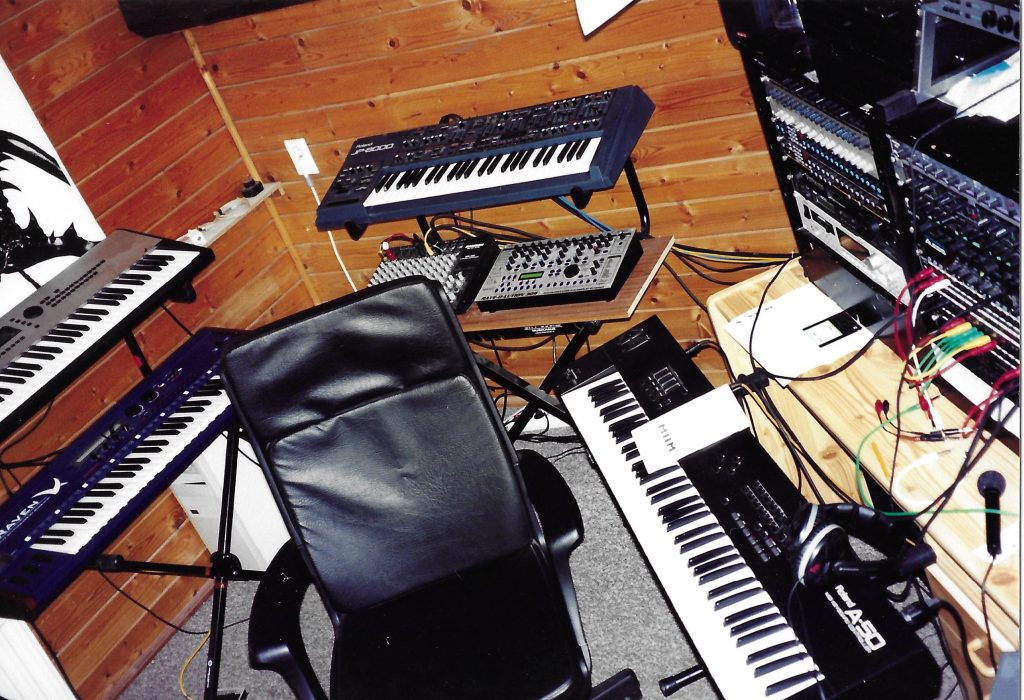
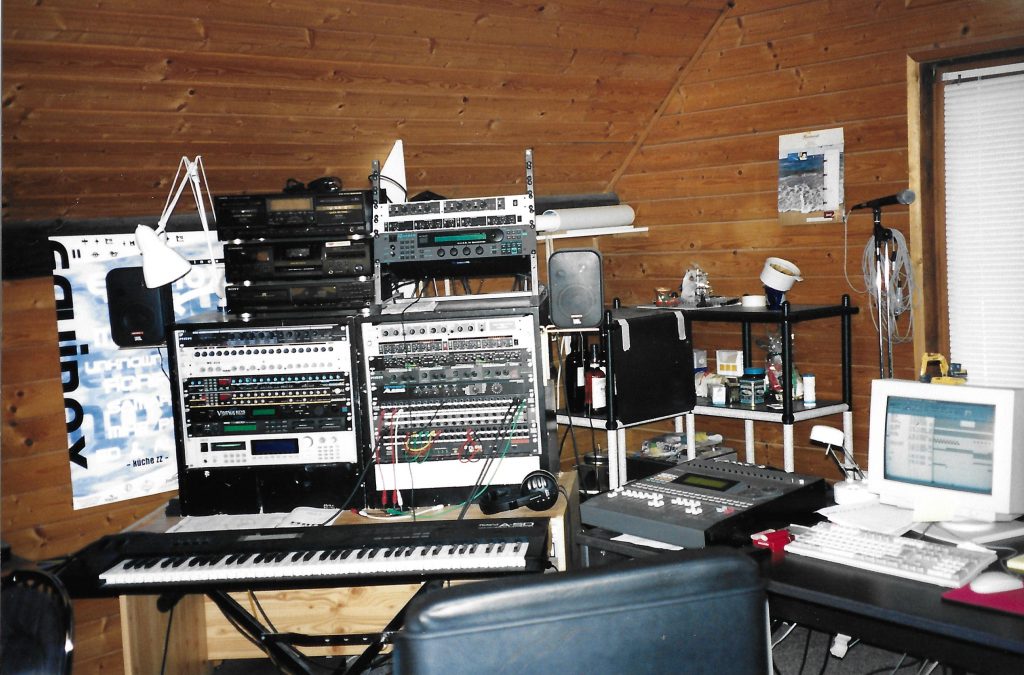
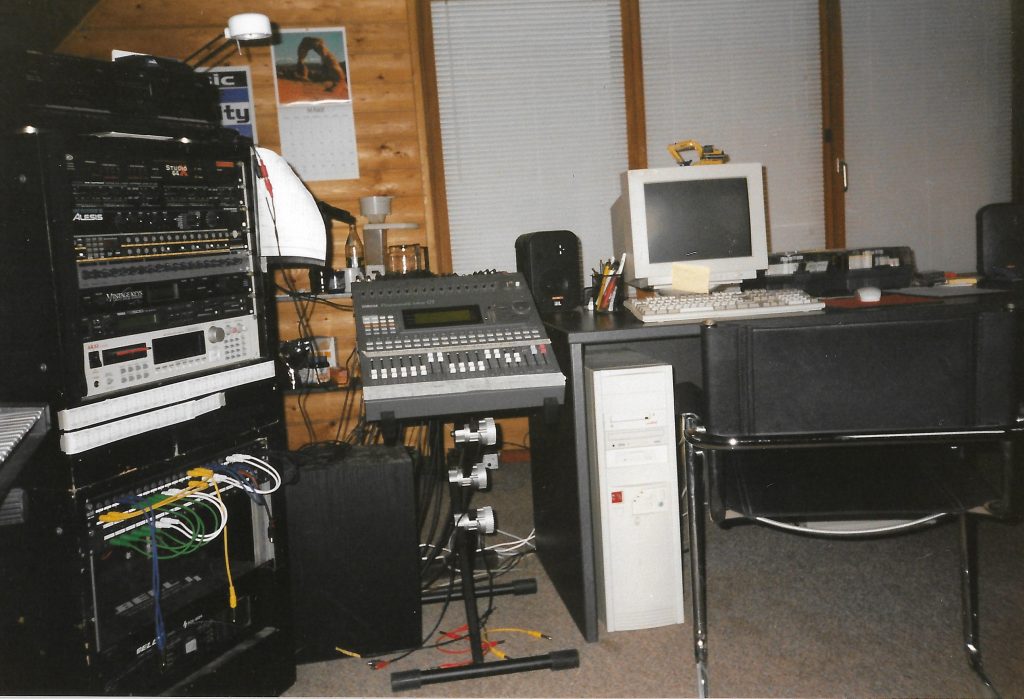
We work with all variations and can implement all production methods of the last 60 years. Whether that’s always practical is another matter. Just the attempt or desire to produce something like in the 70s, for example, is an extraordinary experience when you’ve primarily worked digitally.
Over the past 25 years, we’ve produced all kinds of music for diverse projects and clients, from solo artists to global corporations. Our focus is on professional projects with creative potential. If you’re looking for a recording studio to record a cover of your favorite song, please contact the appropriate providers. The same applies to young talents desperately trying to imitate their American idols, bachelor parties belting out Mallorca hits, amateur musicians who think they’re something special, or those who simply want to “get into a recording studio.” We don’t cater to those kinds of people because it’s pointless.
There were always unusual ideas for creating sounds, e.g., making a hygiene product sound, hyperpercussion from plastic canisters and tins, the sound transducer lamp, the €50 plate reverb, the purely acoustic piano inside spring reverb and other experimental projects.
Why? These are the most fundamental experiences. You can support inexperienced talents all you want, but the most common result is that they let you down just when things are about to get going. This shows that most end up in a bourgeois existence because other things are more important than achieving their own goals.
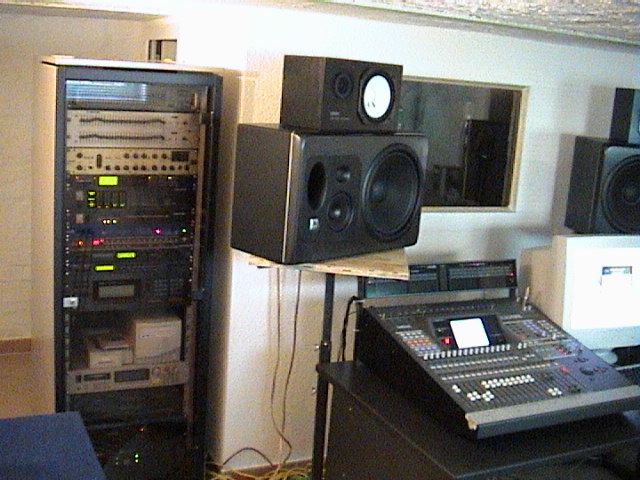
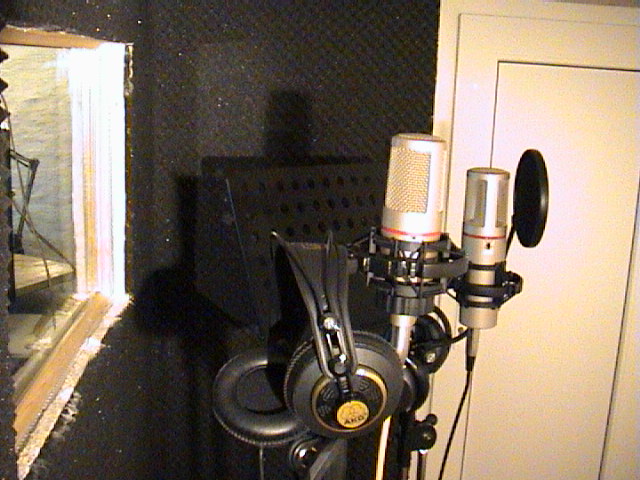
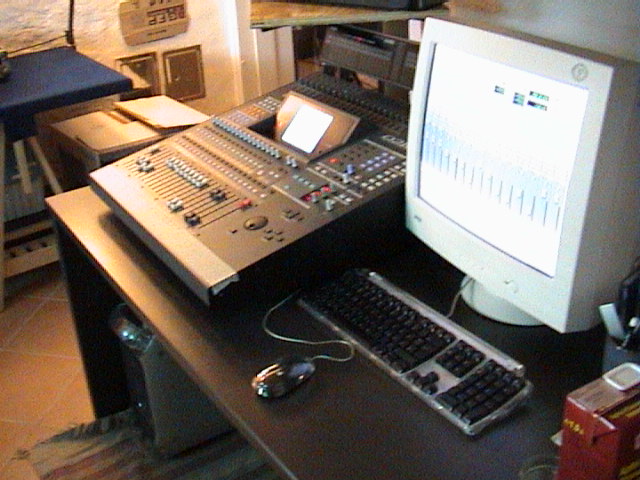
Due to market forces, most small and new recording studios target the hobbyist market exclusively. Cover songs, pre-made backing tracks, demo songs, etc., for a pittance. This isn’t conducive to creativity and development. It’s part of the learning process.
We have our own premises and paid equipment. Besides music production, we are also active in other industries. Therefore, we can choose our projects.
Even though the commercial market consists almost entirely of functional music (chart music) and true art is rare, it still exists. We have the means to realize every kind of music. From purely virtual computer-based production, through the digital techniques of the 80s and 90s, all the way back to the 70s and 60s with purely analog technology. This allows us to work in diverse and creative ways.
From the studio to the stage
One interesting aspect we offer is the possibility of bringing a studio production to the stage directly. A hall for 150 people, a stage, lighting and sound equipment provide excellent conditions for bringing a project to the stage and testing it.
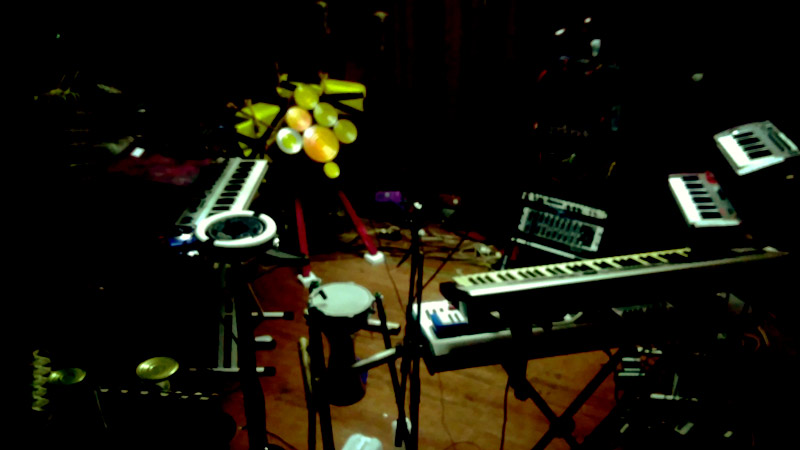
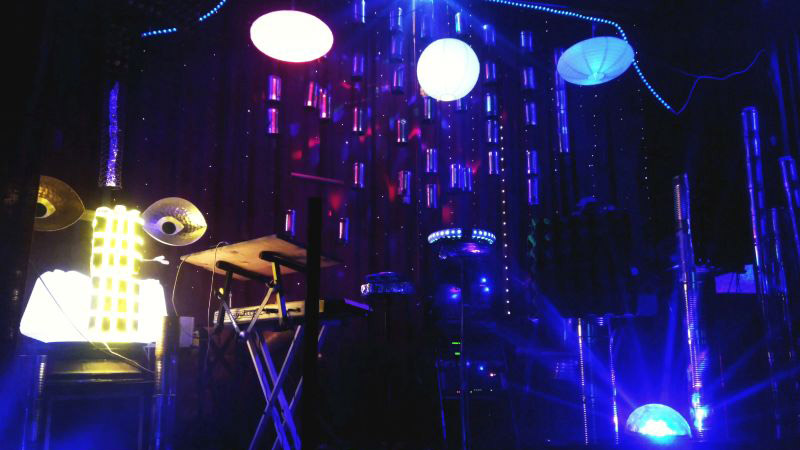
For Cantarelos, the shaping—or indeed the very creation—of sounds dates back a long way. As is often the case, scarcity played a pivotal role in fostering that creativity. Our initial experiments in sound shaping were truly whimsical. We created percussive elements using “Fischertechnik” construction toys and old plastic shopping bags; specifically, we built a circular frame and used clamping elements to stretch and secure a round piece of plastic bag across it. This setup bore a striking resemblance to the fundamental design principles of snare drums or other percussion instruments.
We even repurposed an old carbon microphone from a home telephone to serve as a pickup for an acoustic guitar. Using a homemade clamp, we mounted the microphone inside the guitar’s body and routed it directly into a DIY mixing console. Since the microphone appeared to be defective—yet somehow still functioned—the resulting sound was surprisingly unique; it sounded distorted, as if it had been run through a subtle overdrive effect.
To this day, we continue to create similarly intriguing sonic artifacts, despite the current abundance of available sounds and processing tools. For instance, a few years ago, we undertook an upcycling project to construct loud, percussive instruments out of old plastic canisters and tin cans—instruments that subsequently found their way into our actual music productions.
Furthermore, we built a “budget” plate reverb unit for under €50; it possesses a distinct sonic character all its own and continues to make occasional appearances in our work. In 2021, we rediscovered the “Soviet Sci-Fi Sound” of the ANS synthesizer. Thanks to modern technology, it remains possible today to harness the unique sonic aesthetic of the ANS synthesizer—a capability we utilized to produce an entire musical soundtrack.
We have explored every conceivable avenue of sound production. However, it is the new and unconventional approaches that truly excite us. We are certainly capable of producing *Schlager* or EBM music; yet, when viewed through the lens of trivial “production music,” such genres offer precious little room for genuine creativity.
star_border