
The Vermona 1642 mixing console was a mixer produced in the GDR that gained great popularity among musicians in the 1980s. This robust and versatile device was typically used for live applications, but could also serve well in the studio.
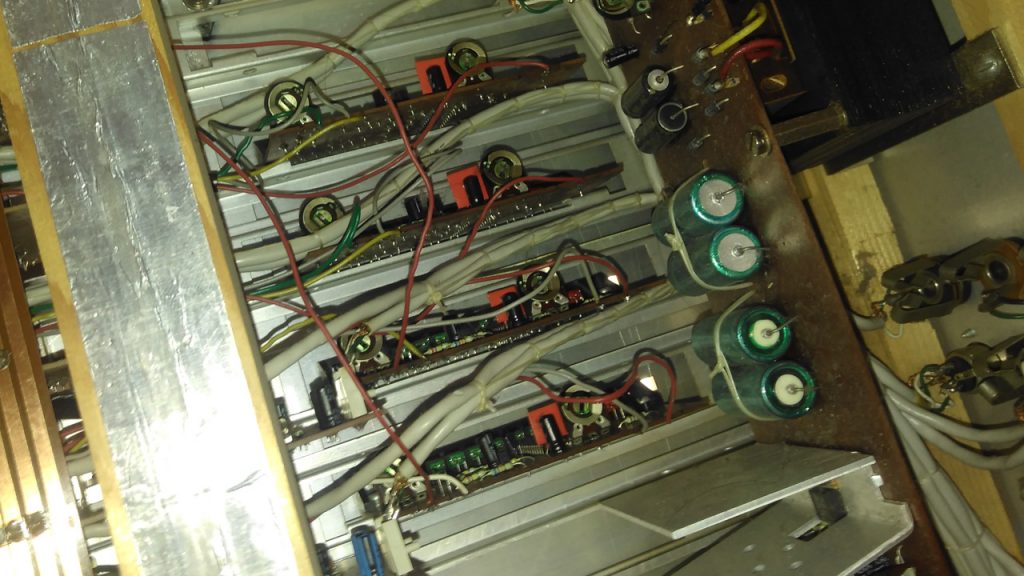
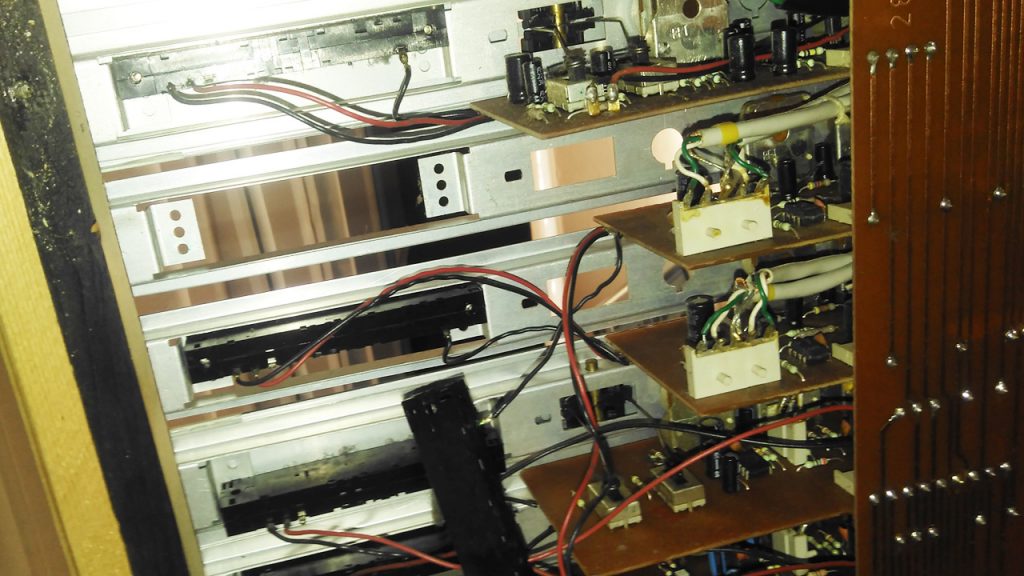
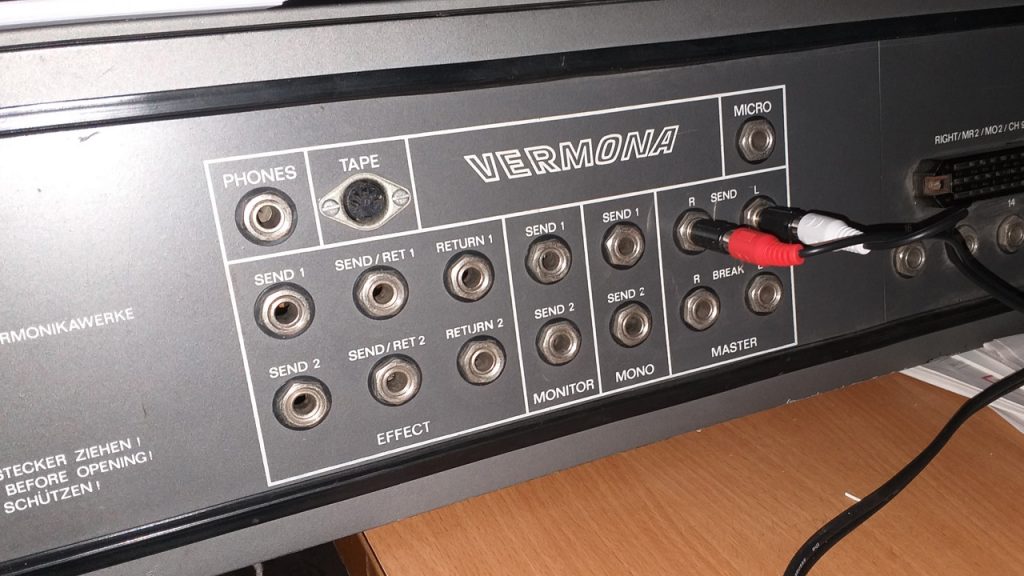
Technical Features and Special Characteristics
- 16 Channels: The mixing console offered 16 mono channels that could be flexibly combined to form a versatile system.
- 4 Subgroups: The four subgroups enabled a clear organization of the mix and facilitated complex setups.
- Solid Workmanship: Vermona mixers were known for their robust construction and high-quality components.
- Versatile Applications: Thanks to its flexibility, the Vermona mixer 1642 could be used for both small bands and larger productions.
- Characteristic Sound: The Vermona 1642 possessed a unique, warm, and analog sonic character that was appreciated by many musicians.
- Expansion module with 8 mono channels, bringing the total to 24 channels.
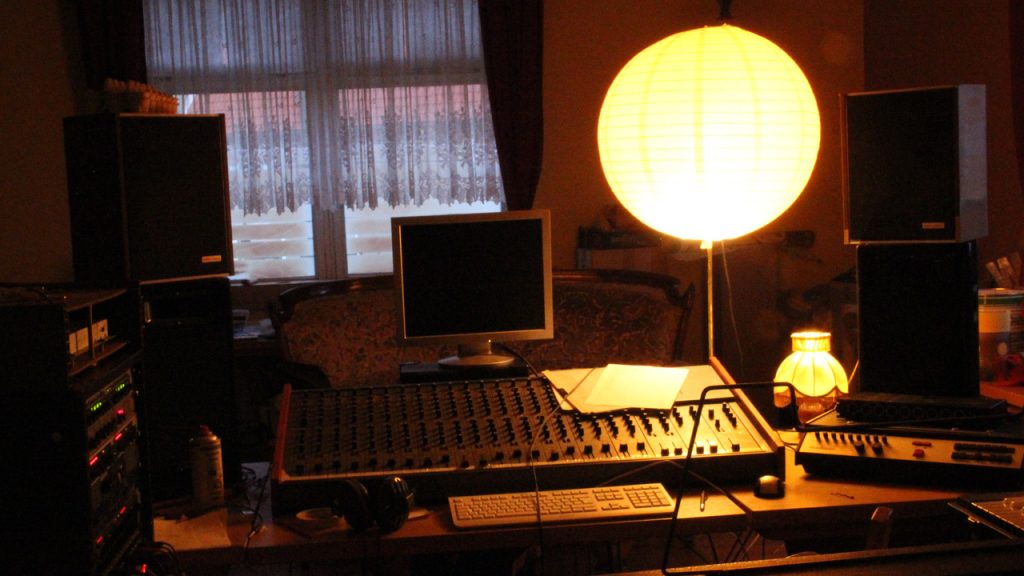
Why was the Vermona 1642 so popular?
- Availability: In the GDR, the supply of professional equipment was limited. The Vermona 1642 was one of the few affordable options for musicians seeking a high-quality mixing console.
- Robustness: The mixers were designed for heavy-duty use under live conditions and withstood even severe stresses.
- Flexibility: Thanks to the numerous adjustment options and modular design, the Vermona 1642 mixer could be adapted to the individual needs of the musicians.
- Price-Performance Ratio: The price-performance ratio of the Vermona 1642 was very attractive for its time.
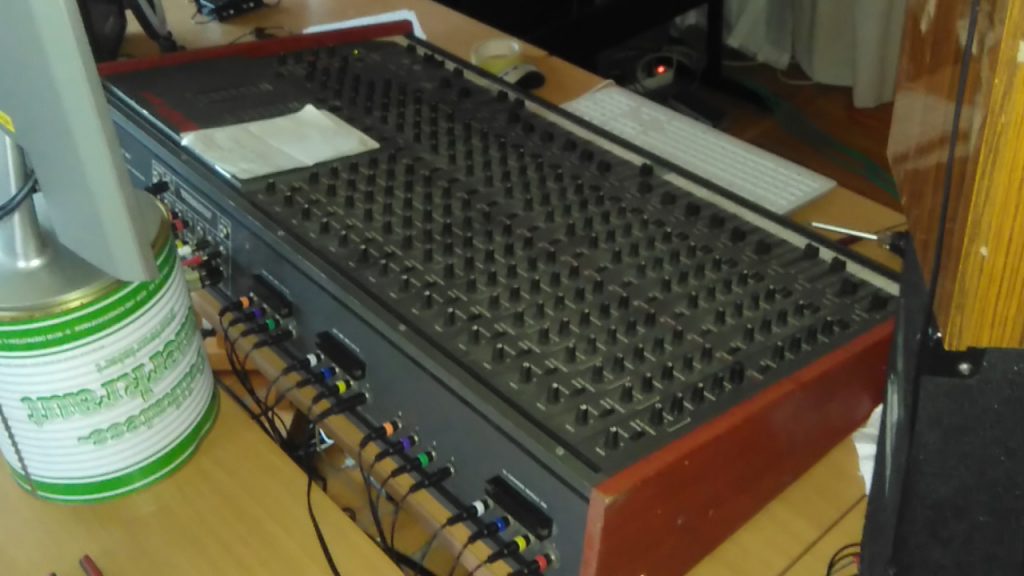
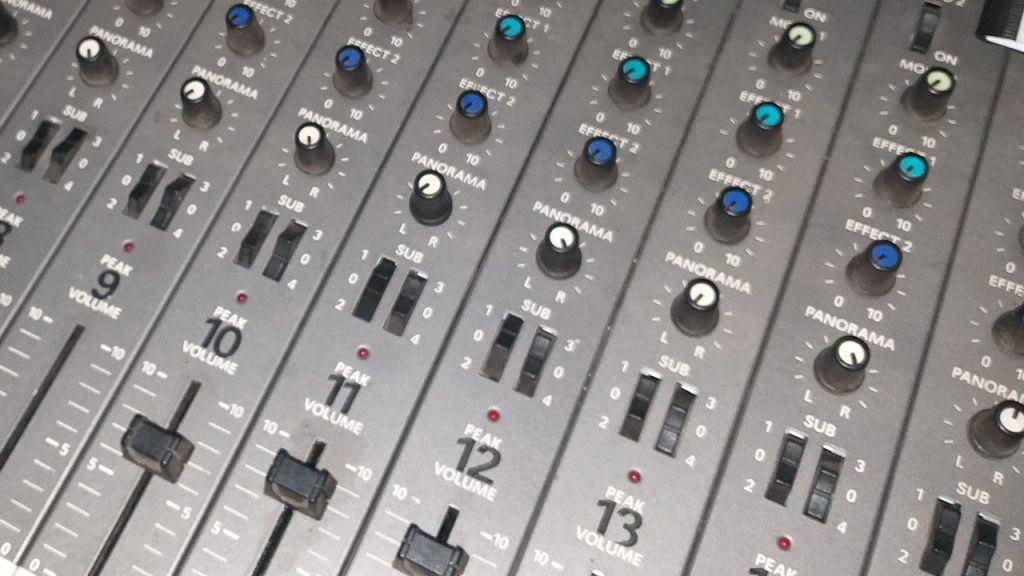
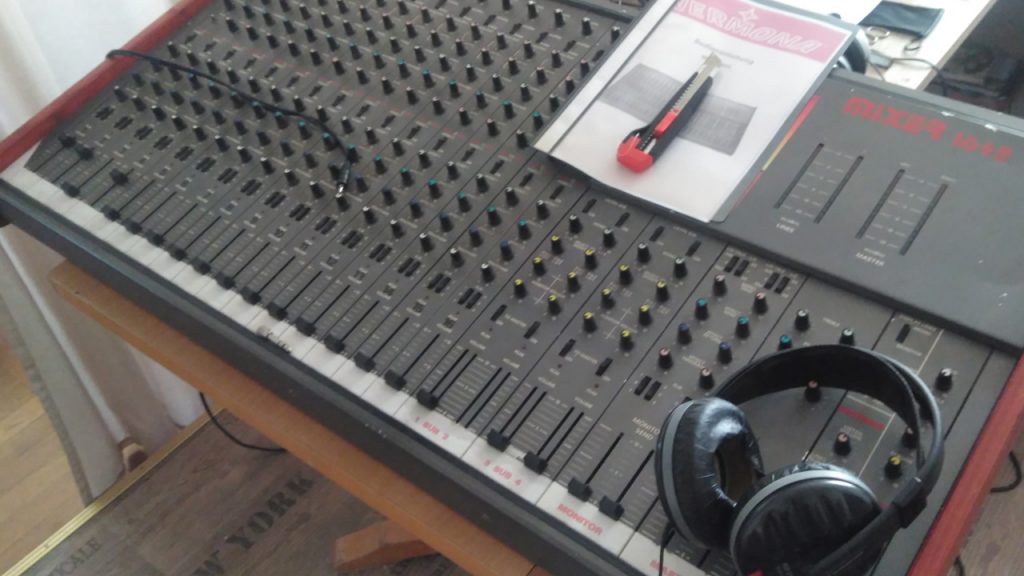
Vermona 1642 mixer today
Although production of the Vermona 1642 has been discontinued, the mixing console remains highly popular today among collectors and musicians who value an authentic analog sound. On the used market, these mixers remain in demand and often fetch high prices.