
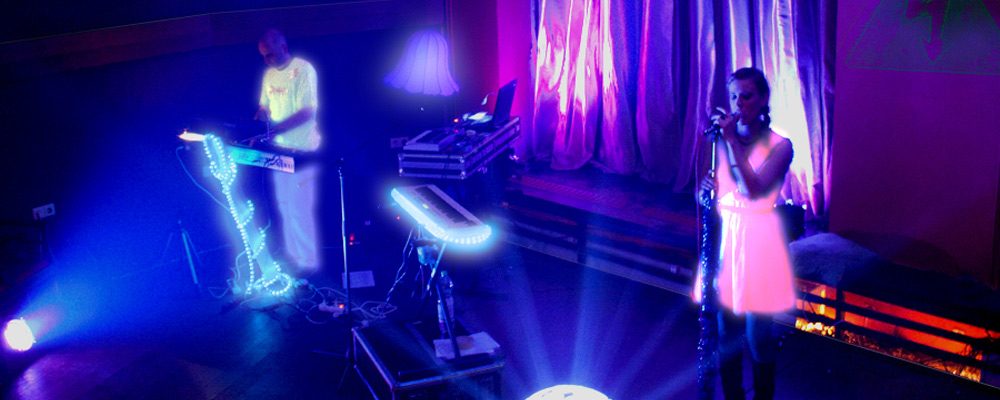
When it comes to the great cultural rivalries of Europe, few are as enduring or nuance-laden as the interplay between France and Italy. You can hear it in the music. Strip away the lyrics and focus on the melody, the tempo, the inherent feeling of a composition. Fundamentally, Italians and the French are often composing the same score, pulling from the same foundational well of Western emotion. And yet, the translation differs wildly based on which side of the Alps you’re on. In Italy, the music bursts forth with an irrepressible, bright-eyed cheer. It is the soundtrack to a sunny, chaotic afternoon in a bustling square.
Take that same melody across the border into France, and a subtle, beautiful shift occurs. The sun sets, the chaos subsides, and a delicate, thoughtful shroud of melancholy descends. The same core emotion is filtered through a prism of introspection. This isn’t just about sound; it’s a reflection of a deeper cultural divergence in how we process the joys and sorrows of being human. And it is this very divergence that sets the stage for France’s supreme mastery over one of the most powerful and delicate themes in all of storytelling: Youth and Love.
Regardless of worldviews, philosophical leanings, or political systems, a simple truth emerges across the Western world: nobody, but nobody, processes and portrays the exquisite, confusing, and heart-shattering experience of being young and in love quite like the French. And in this particular realm, Paris truly is the undisputed capital of the heart.
This isn’t just about sweeping romantic vistas (though the city of light certainly lends its magic). It’s about a deep, cultural fluency in the language of love. French cinema approaches romance, whether it’s a mature, slow-burning drama or the chaotic whirlwind of teenage life, with an unblinking honesty and a profound sense of je ne sais quoi—that intangible, emotional depth that defies simple explanation. They don’t just depict love; they inhabit it.
The French understand that love isn’t just about happy endings and shared futures. It’s about the yearning, the uncertainty, the ecstatic highs, and the crushing, introspective lows—the very melancholy we hear in their music. This sophistication is perhaps most brilliantly and endearingly demonstrated in their ability to capture the specific, raw state of the adolescent soul.
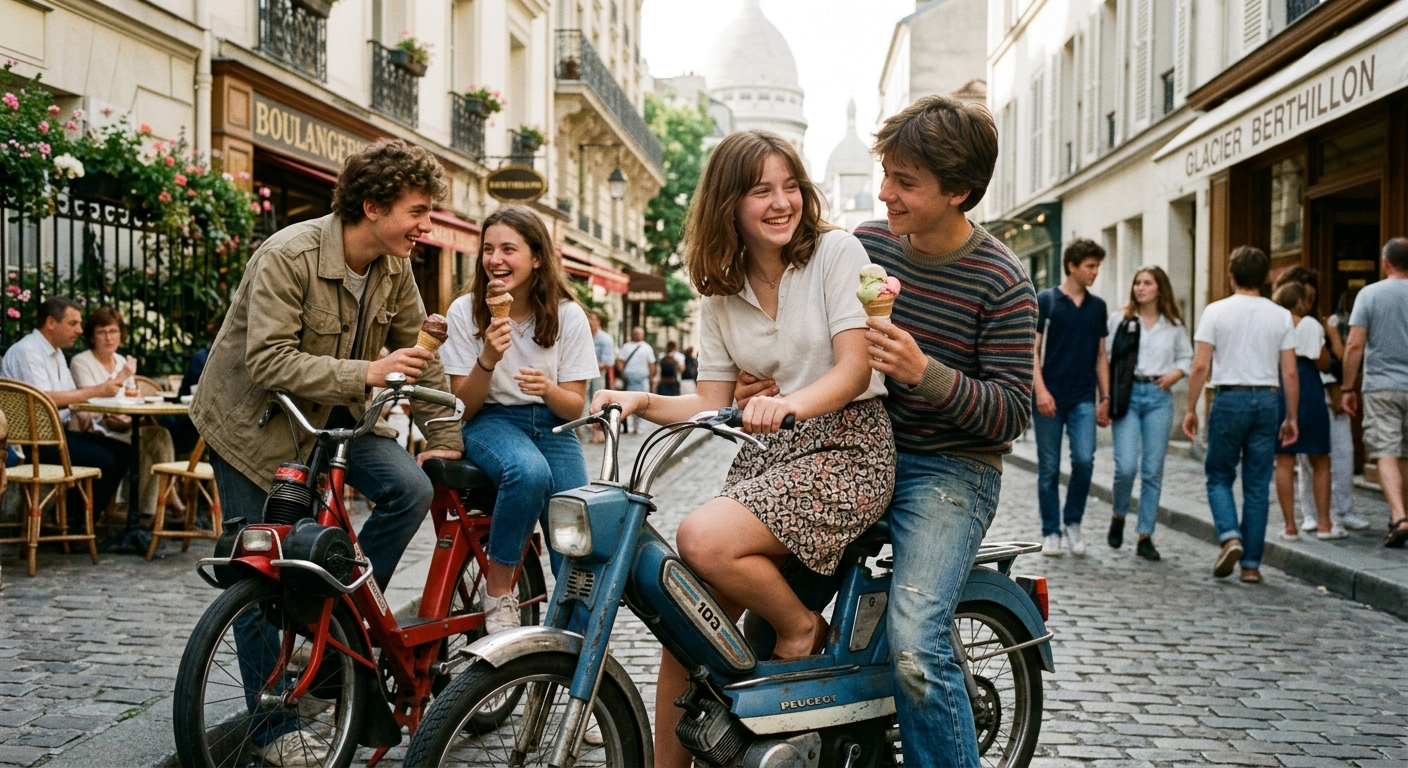
Look no further than the unparalleled masterpiece that is La Boum (The Party, Parts 1 and 2). Directed by Claude Pinoteau and starring a radiant, young Sophie Marceau, these films are a perfect case study in French cinematic superiority. While American teen comedies of the era were often defined by broad slapstick or idealized portraits, La Boum chose a different path.
It chose reality. It captured the excruciating awkwardness of the first party, the intense and rapidly shifting allegiances of friendship, and, most crucially, the absolute, all-consuming importance of first love. La Boum didn’t mock the emotional storms of teenagers; it treated them with the same dignity and weight as any adult drama.
Marceau’s performance is legendary precisely because it wasn’t a performance of a “teenager.” It was adolescence. The film captured the specific melancholy that exists at that perfect point between childhood and adulthood—the feeling of being on the precipice of everything, scared and thrilled and heartbroken all at once. That ability to render the hyper-specific, fleeting vulnerabilities of youth into something timeless is what separates French cinema from the pack.
It’s a masterclass in emotional cartography, mapping out the territories of the heart with a sensitivity that can only be found in a culture that truly values the art of feeling. In a world where cinematic love is too often simplified or idealized, France stands apart, offering a rich, complicated, and utterly beautiful mirror to the most essential human experience. They understand that love, like their music, is best appreciated in all its complex, and perfectly imperfect, glory.