

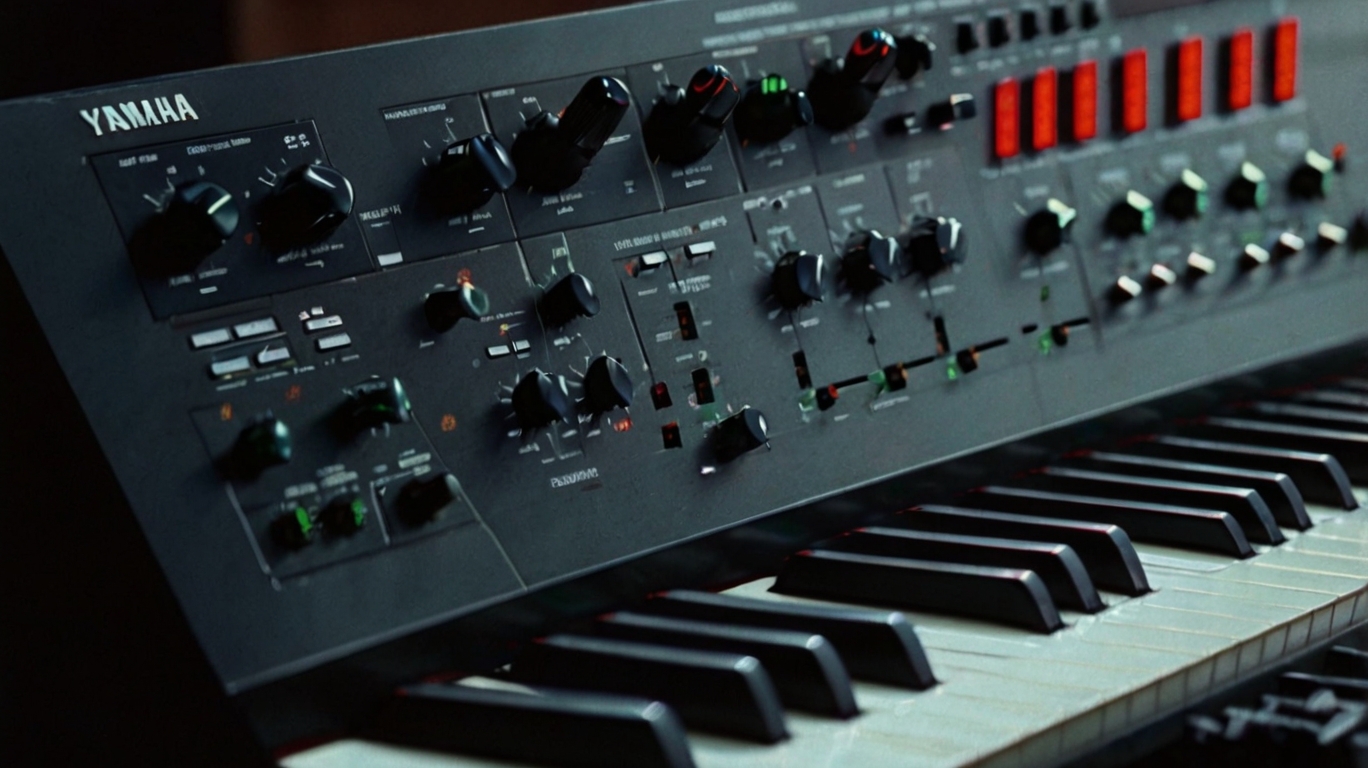
Synthesizers from the early 1990s, particularly from Korg and Roland, have proven to be remarkably durable and continue to be highly esteemed in music production to this day. Their enduring popularity can be attributed to several factors:
- Timeless Sound Aesthetics: The sound palettes of these instruments are meticulously designed, offering a wide array of sounds that blend harmoniously into a variety of musical genres. Whether it is warm, analog basses, sparkling arpeggios, or atmospheric pads—these synthesizers offer a sonic diversity that even modern software instruments often fail to achieve.
- Solid Construction: 1990s synthesizers were often built with robust components, contributing to a long lifespan.
- Deep Synthesis Architectures: The complex synthesis engines of these instruments allow for precise sound design and offer numerous possibilities for modulation and sound shaping.
- The Nostalgia Factor: For many musicians, these synthesizers are linked to specific musical eras and evoke nostalgic feelings. The characteristic sound of these instruments is often perceived as authentic and unmistakable.
Popular Models and Their Strengths
- Korg M1: The M1 is renowned for its versatile sound library, which covers a wide range of instruments and effects. Its AI (Advanced Integrated) Synthesis allows for flexible sound shaping and seamless integration of samples.
- Roland JD-800: The JD-800 stands out with its warm, analog-like sound and extensive modulation capabilities. It is particularly famous for its thick basses and its capacity for dramatic sound transformation.
- Roland JV-1080: The JV-1080 offers a combination of analog and digital sound generation and is well-known for its versatile effects and massive sound library.
Why Are These Synthesizers Still Relevant Today?
- Complementing Modern Workflows: Classic synthesizers can complement modern, DAW-based productions with unique tonal colors and character.
- Inspiration for New Music: The sound of these instruments can serve as inspiration for new musical ideas and lead to innovative productions.
- Collector’s Value: Some models hold high collector’s value and are highly sought after by both musicians and collectors.
Conclusion
Synthesizers from the early ’90s are more than just historical artifacts. They are powerful tools that continue to play an important role in modern music production. Their combination of classic sound, solid construction, and deep synthesis makes them indispensable companions for any musician searching for unique and inspiring sounds.