
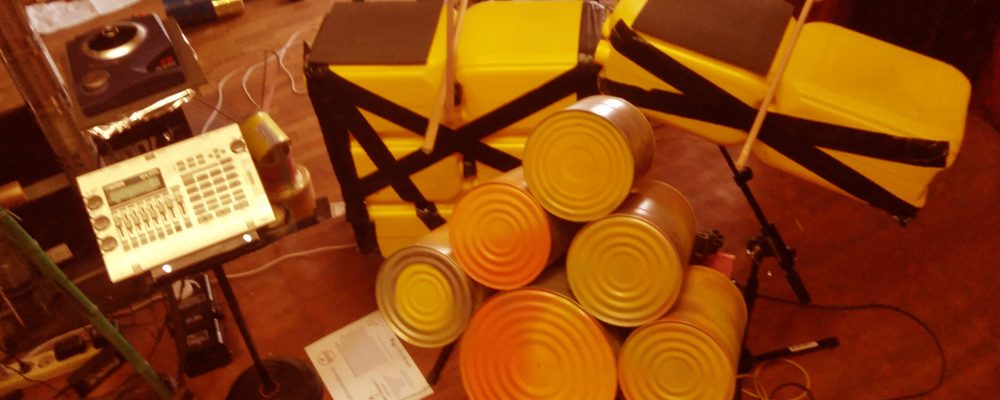

Everything was bleak and gray, and it felt like it was always winter. A common image of East Germany. Was it really like that? A barn find near Wurzen unearthed an old video recording.
The band SIGNALGEBER – electronic music from the GDR. Old video and photographic material shows that there were pioneers of electronic music. And they exclusively used GDR technology.
Unfortunately, there are hardly any written records or audio recordings. Therefore, many things about the band Signalgeber are unclear. The band consisted of four young musicians with a dream, a vision. Since two members were studying, the band members were scattered across different areas, including Dresden, Weimar, Rostock, and Leipzig. When possible, the four were able to make music together once a quarter.
The band, Signalegeber, had a rehearsal space in a barn near Wurzen. Since they could only afford East German products at that time, they incorporated this into their style. As two band members were electrical engineers, they could understand the circuit diagrams and recognized that most devices, whether from the East or West, were similarly constructed. The quality of the components and the housings were more relevant to their assessment of overall quality.
SIGNALGEBER – The name says it all
Ultimately, a large number of keyboard instruments from Vermona were exported.
Signalgeber had also acquired a tape recorder to record their music. Since there was virtually no access to a recording studio, they tried to do everything themselves. This always required many rehearsals, as the tracks were recorded live. This was because
Signalgeber only had a two-track tape recorder. There wasn’t much that could be done to alter the recordings afterward.
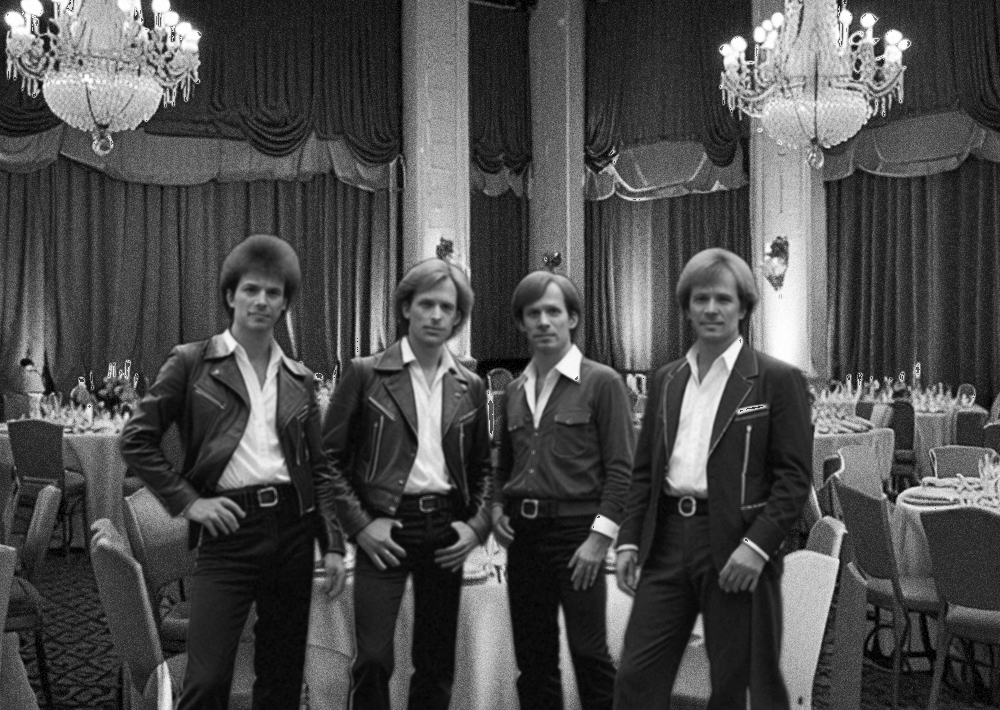
So, Signaelgeber tried to optimize the sound as much as possible using a mixing console. Effects like phaser and spring reverb were also available, and these could achieve quite a bit. Nevertheless, the band realized that there was a significant difference between coming from Lyon and Düsseldorf. It was rather unusual for the musicians that so many successful musicians had access to special privileges.
The Vermona Phaser 80 was frequently used by signal transmitters . It was particularly well-suited for the Vermona Piano Strings . At the time, it was an expensive purchase at 875 East German Marks. The Vermona Piano Strings was conceptually based on the ARP Omni from the early 1970s. The Vermona Phaser 80 came very close to replicating that sound.
Weitere Schlüsselwörter: Ambient, Instrumentalmusik, Synthesizer, Analog, Vintage, Musikgeschichte, Musikszene,